Understanding POTS, EDS, Disability, and SW: Real-Life Challenges and Daily Management
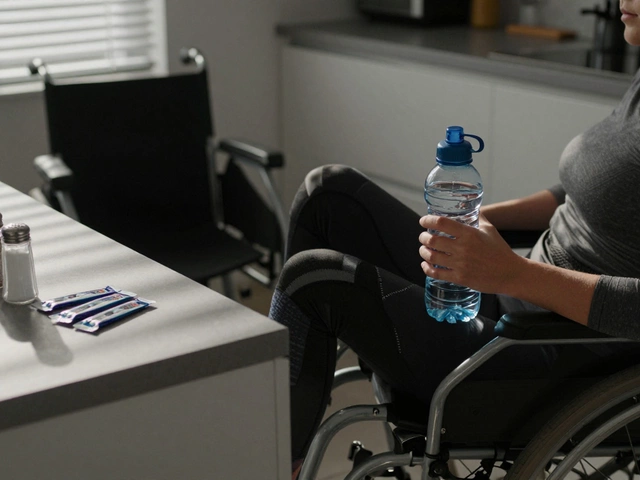
Living with Postural Orthostatic Tachycardia Syndrome (POTS), Ehlers-Danlos Syndrome (EDS), and other chronic conditions means your body doesn’t work the way most people expect. Simple things-standing up, walking to the fridge, even showering-can trigger dizziness, heart palpitations, or joint dislocations. For many, this isn’t a temporary issue. It’s a lifelong reality that reshapes everything: work, relationships, travel, and even how you plan your day. There’s no cure, but there are ways to manage. And yes, some people with these conditions find themselves in situations they never imagined, like searching for discreet support services abroad. One such example is escort girls dubai, a term sometimes used by travelers seeking companionship in places where medical or emotional support is hard to access.
What Is POTS, Really?
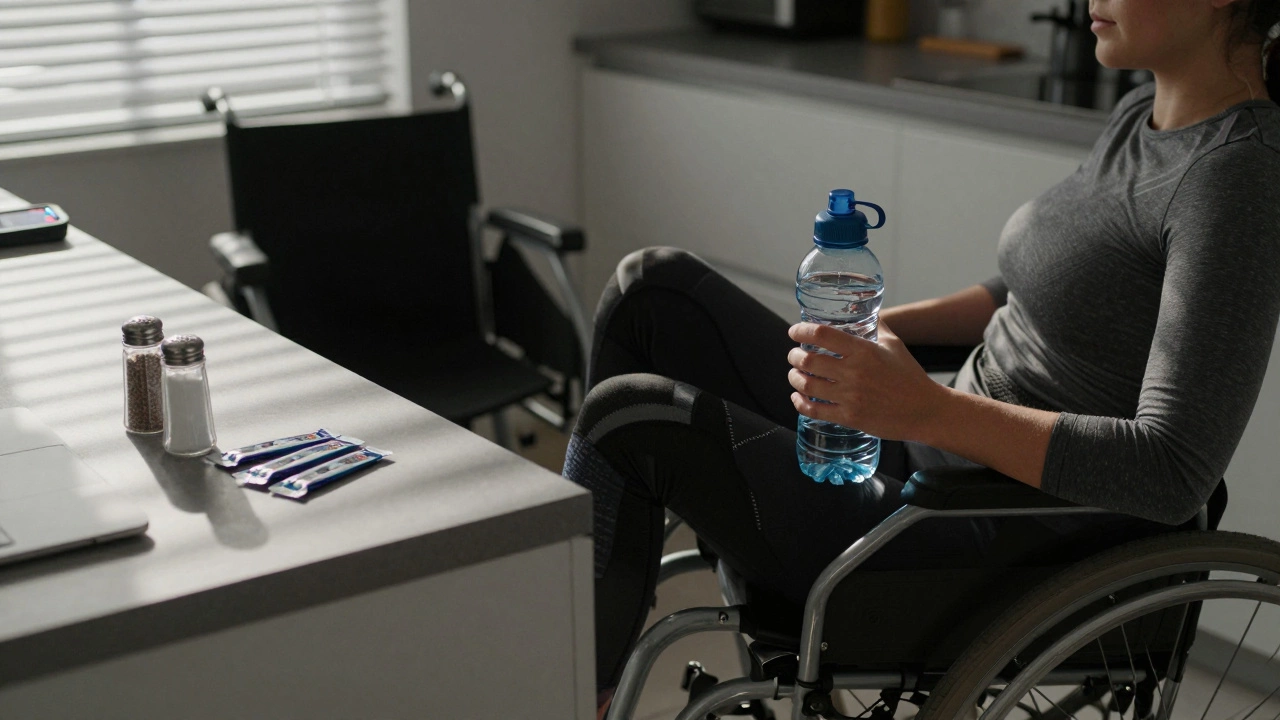
POTS isn’t just being lightheaded when you stand up. It’s a dysfunction of the autonomic nervous system that causes your heart rate to spike-often over 120 beats per minute-within 10 minutes of standing. Blood pools in your legs instead of flowing to your brain. You might feel like you’re about to pass out, even if you’re perfectly hydrated. Some people with POTS can’t stand for more than a few minutes without needing to lie down. Others learn to move slowly, wear compression socks, drink liters of salted water daily, and keep their heads lower than their hearts when possible. The condition often shows up after a viral infection, pregnancy, or trauma. It’s not rare. Studies estimate 1 to 3 million people in the U.S. alone have POTS, mostly women between 15 and 50.
Ehlers-Danlos Syndrome: More Than Just Flexible Joints
EDS is a group of genetic disorders affecting collagen, the glue that holds your body together. People with hypermobile EDS (hEDS) can bend their fingers backward, dislocate shoulders just by reaching for something, or have chronic pain from joints that don’t stay in place. Skin stretches too much and bruises easily. Wounds heal slowly. Many people with EDS also have POTS-up to 70% of hEDS patients do. That combo is brutal. Imagine your joints giving out while your heart races because you stood up. You might need a wheelchair part-time, or use a cane just to walk to the mailbox. It’s not laziness. It’s biology.
Disability Isn’t Always Visible
Most people won’t know you’re disabled unless you tell them. You don’t use a wheelchair. You don’t have a cane. But you cancel plans because your heart is racing too hard to walk down the street. You nap in the car before going into a store because standing for 10 minutes might leave you bedridden for hours. Employers think you’re unreliable. Friends think you’re flaky. Doctors sometimes dismiss you as anxious. The invisible nature of POTS and EDS makes advocacy harder. You’re constantly proving you’re sick. Disability benefits are tough to get. Insurance denies treatments. Schools don’t accommodate. And when you do get help, it’s often too little, too late.
What Is SW? The Hidden Layer of Support
SW stands for Support Worker. These are the people who help with daily tasks that chronic illness makes impossible: grocery shopping, cleaning, driving to appointments, even just sitting with you while you recover from a flare-up. In countries like Australia, the U.S., and the U.K., Support Workers are part of government-funded disability programs like the NDIS or Medicaid. But demand far outstrips supply. Waitlists are years long. Many people end up hiring privately-sometimes through word-of-mouth, sometimes through online platforms. A good Support Worker doesn’t just help with chores. They learn your triggers, your rhythms, your limits. They become your lifeline. For some, especially those who travel or live alone, SWs also provide emotional presence-something that’s just as vital as physical help.
How Travel Changes Everything
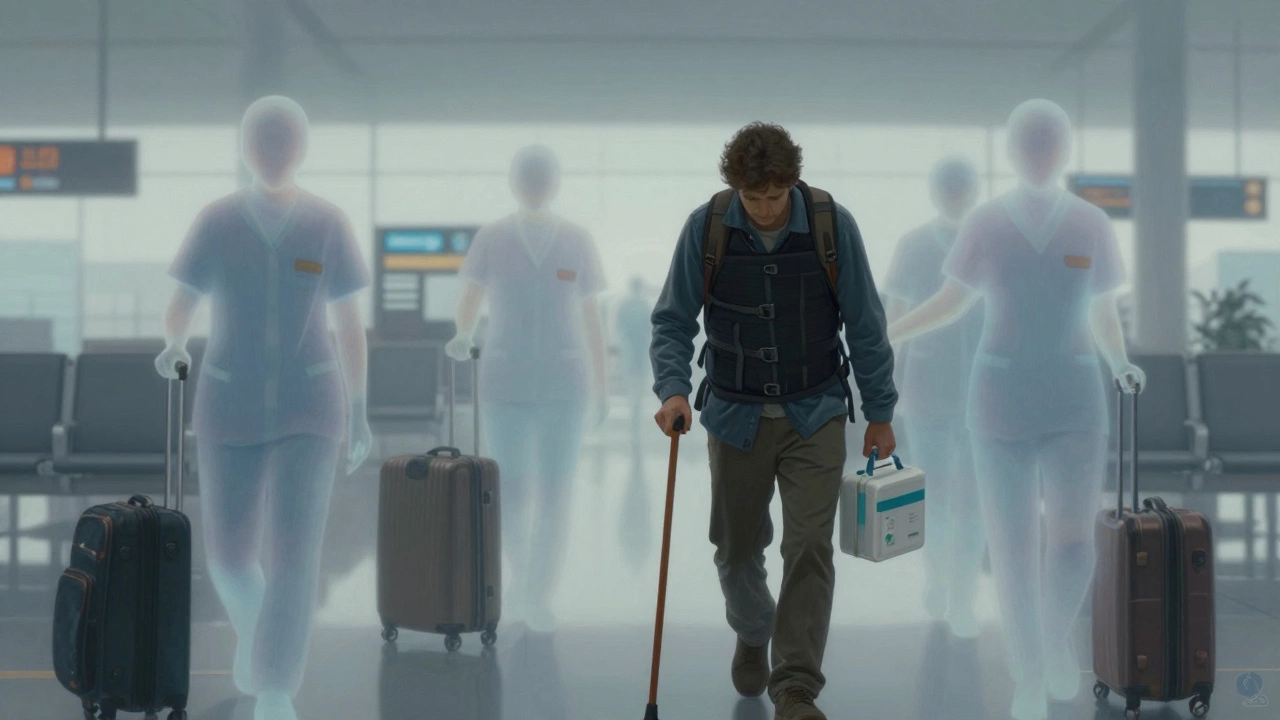
Traveling with POTS and EDS isn’t like packing a suitcase. It’s packing a medical kit: compression garments, electrolyte powders, medications, a portable seat cushion, a heart rate monitor, and a letter from your doctor explaining why you need to lie down in airports. Air pressure changes can trigger crashes. Long flights mean blood pooling. Airport security scans can cause joint pain. And hotels? Most aren’t accessible. Ramps are too steep. Showers are slippery. Beds are too high. Some people with these conditions avoid travel entirely. Others go anyway-and end up paying for it in days of bed rest. That’s why some turn to services abroad, not for pleasure, but for survival. In places like Dubai, where healthcare access for tourists is limited and language barriers exist, people sometimes seek out local support networks. That’s where terms like bur dubai call girls appear-not as entertainment, but as a grim shorthand for someone trying to find someone who can help them get through the day.
Living with SW: The Human Connection
Support Workers aren’t just assistants. They’re often the only people who truly understand your pain. They see you at your worst-crying from joint pain, trembling from low blood pressure, too exhausted to speak. They don’t judge. They adapt. They learn your schedule. They know when to push and when to back off. For many, this relationship becomes the most stable part of their life. But it’s not easy to find. Screening is minimal. Pay is low. Burnout is high. And there’s no formal training for working with POTS or EDS patients. Most learn on the job. That’s why some people end up relying on informal networks, even if it means crossing ethical lines. It’s not ideal. But when the system fails, people improvise.
What Helps? Real Strategies That Work
- Hydration and salt: 2-3 liters of water and 5-10 grams of sodium daily can stabilize blood pressure.
- Compression garments: Waist-high compression tights reduce blood pooling.
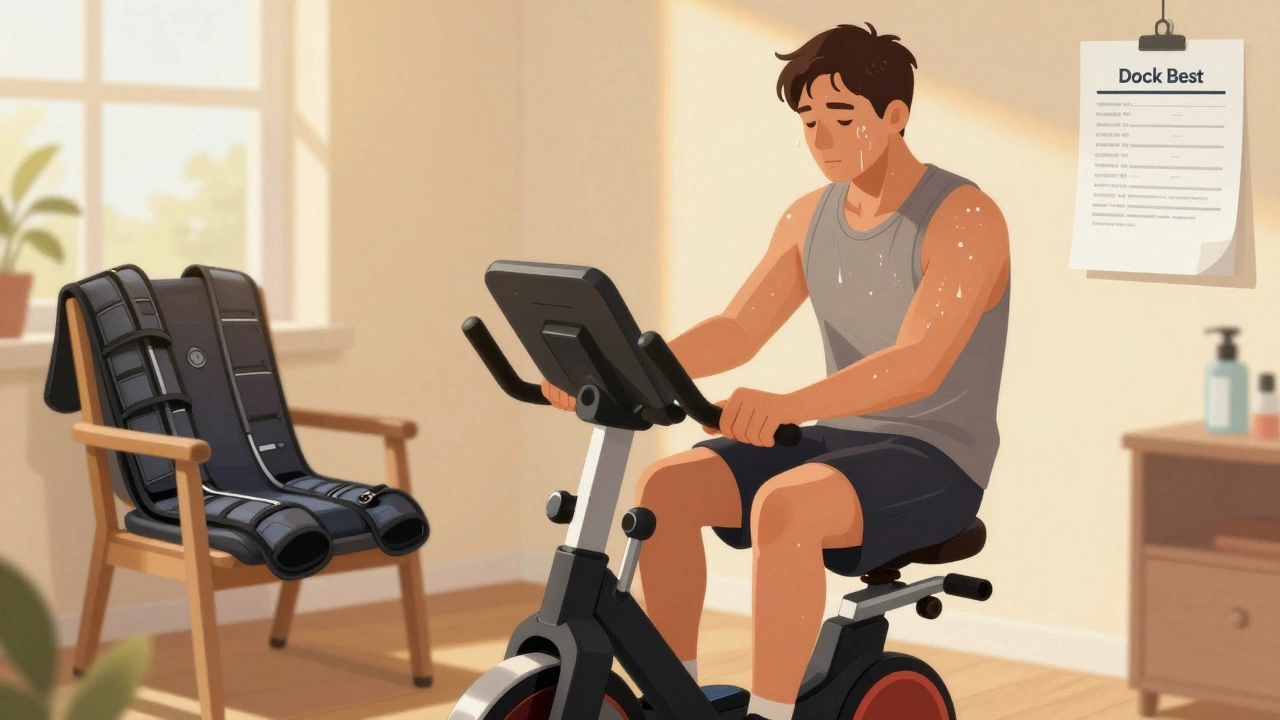
- Reclined exercise: Recumbent bikes, swimming, or rowing machines are safer than standing workouts.
- Pacing: Break tasks into 10-minute chunks. Rest between. Don’t push through fatigue.
- Temperature control: Heat worsens symptoms. Keep your environment cool.
- Medications: Fludrocortisone, midodrine, beta-blockers, or ivabradine may help-but only under specialist care.
There’s no magic pill. But small, consistent changes add up. People who stick with these strategies report better function, fewer crashes, and more control over their lives.
The Emotional Toll
Chronic illness doesn’t just hurt your body. It eats away at your identity. You grieve the person you were. You lose friendships. You miss weddings, birthdays, trips. You feel guilty for being a burden. You wonder if you’ll ever work again. Depression and anxiety aren’t optional here-they’re common. Therapy helps, but it’s expensive. Support groups online are lifelines. Reddit threads, Facebook groups, Discord servers-these are where people share tips, vent, and feel seen. One woman in Perth told me she only sleeps when her Support Worker is with her. Not because she’s scared. Because she knows someone’s watching. That’s the quiet reality for thousands.
What’s Next?
Research is moving slowly. New drugs are being tested. Wearable tech is improving. Some clinics now offer POTS-EDS specialty programs. But progress is uneven. In Australia, the NDIS has helped many. In the U.S., Medicaid varies by state. In places like Dubai, access is patchy and expensive. The system isn’t built for people like you. But you’re still here. Still fighting. Still finding ways to live. That’s not weakness. That’s resilience.
And if you’re reading this because you’re struggling? You’re not alone. There are others out there who know exactly what you’re going through. Find them. Talk to them. Keep going.
Can POTS and EDS be cured?
No, there is no cure for POTS or EDS. But many people learn to manage symptoms effectively through lifestyle changes, medications, and support systems. Some see improvement over time, especially with early intervention and consistent care.
Is SW the same as a caregiver?
Support Workers (SW) focus on daily tasks like shopping, transport, and household help, while caregivers often provide medical or personal care like bathing or medication management. SWs are usually not licensed healthcare providers, but they’re trained in disability support.
Why do so many people with EDS also have POTS?
Both conditions involve connective tissue dysfunction. In EDS, loose ligaments can affect blood vessel structure and autonomic nerve function, leading to poor blood pressure regulation. This directly contributes to POTS symptoms. The overlap is biological, not coincidental.
Can you work with POTS and EDS?
Yes, but it often requires accommodations: flexible hours, remote work, seating options, frequent breaks, and access to rest areas. Many people work part-time or in low-stress roles. Others rely on disability benefits. It depends on symptom severity and workplace support.
How do you find a good Support Worker?
Start with disability organizations, NDIS providers, or local community centers. Look for someone with experience in chronic illness. Ask for references. Interview them like you would any important hire. Trust your gut-if something feels off, walk away.
Final Thoughts
POTS, EDS, and disability don’t define you-but they shape your world. You don’t need to be brave. You just need to keep going. Find your people. Use the tools that work. And if you ever feel like no one understands? Look online. You’ll find them. They’re out there. And they’re waiting for you to speak up.